Share This Story, Choose Your Platform!
 Installing a residential solar power system is one of the best investments a homeowner can make today. It helps reduce monthly electricity bills, provides better energy independence, and supports a cleaner and more sustainable future. But after the installation is complete, one important responsibility begins: proper solar system maintenance.
Many homeowners focus only on buying the solar system, choosing the inverter, battery, and solar panels, then using the system every day. However, maintenance matters most if you want your solar setup to remain safe, efficient, and long-lasting.
As a trusted Cebu Solar Installer and Cebu Solar Contractor, Cebu Solar Installer PH by Green8scape Development Corp. reminds every homeowner that a solar system is not only a product — it is an electrical power system that needs regular care, monitoring, and professional checking.
Why Solar Maintenance Is Important
A residential solar system is exposed to sunlight, rain, dust, salt air, strong wind, roof heat, insects, and daily electrical load. In Cebu and nearby island areas, solar systems may also be exposed to coastal humidity, sea breeze, and tropical weather conditions.
Without proper maintenance, solar panels may produce less power, wiring connections may loosen, breakers may trip, inverter warnings may be ignored, and batteries may not perform properly. Small problems can become bigger and more expensive if they are not checked early.
Proper maintenance helps protect your investment, improve system performance, extend equipment life, and keep your home safe.
1. Monitor Your Solar Production Regularly
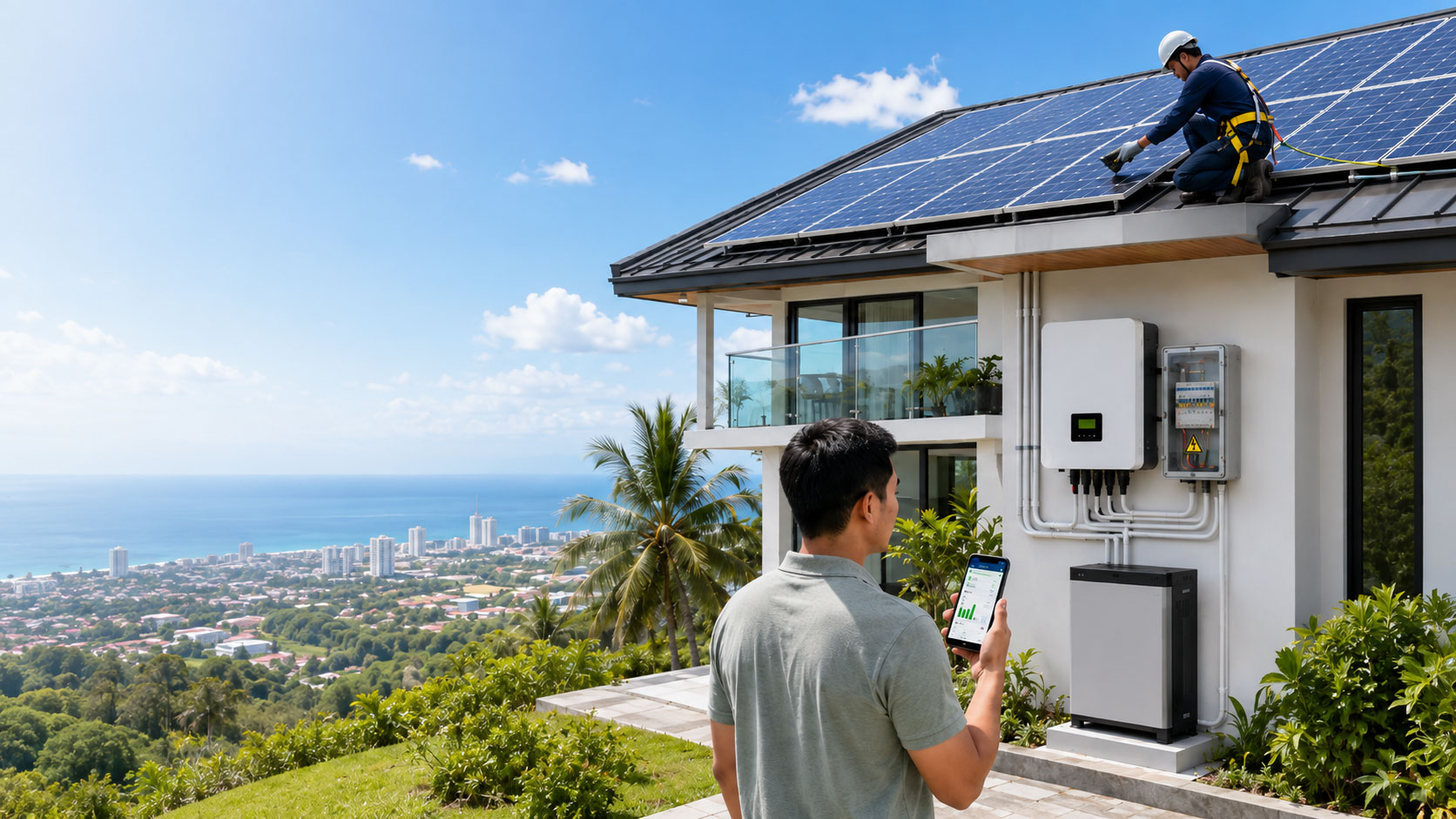
Homeowners should regularly check the inverter display or mobile monitoring app. This helps you understand if your solar system is producing normal power every day.
Check the following:
- Daily solar production
- Battery charging and discharging status
- Inverter warning or fault codes
- Sudden drop in power output
- Unusual system shutdown
- Abnormal battery behavior
If your system normally produces good power during sunny days but suddenly drops without reason, it may be a sign of dirty panels, shading, wiring issues, inverter error, or equipment fault.
A good homeowner does not need to be an electrician, but knowing the normal behavior of your solar system is very important.
2. Keep Solar Panels Clean
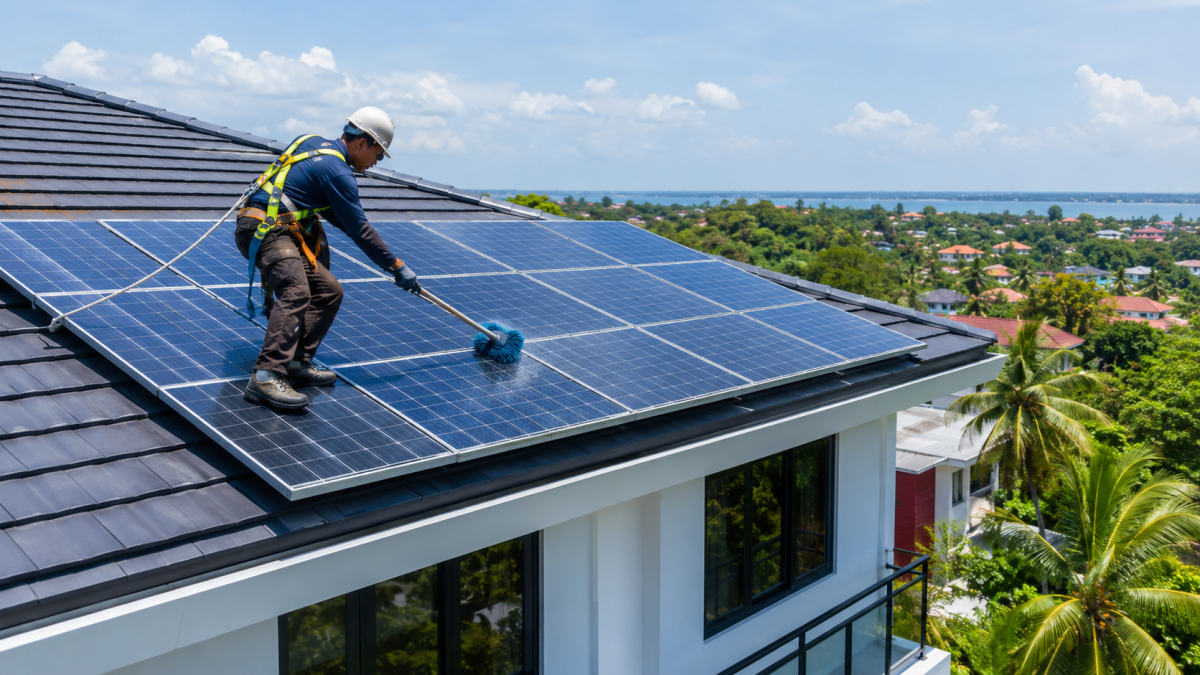
Solar panels need sunlight to produce energy. When dust, leaves, bird droppings, salt deposits, or dirt cover the panel surface, solar production may be reduced.
For most homes, solar panels should be visually checked regularly. Cleaning may be needed more often if the house is near the sea, near construction areas, beside trees, near dusty roads, or exposed to bird droppings.
Basic cleaning reminders:
- Clean only during early morning or late afternoon.
- Do not clean panels when they are very hot.
- Use clean water and soft cleaning materials.
- Avoid hard brushes that may scratch the glass.
- Do not step on the panels.
- Do not use strong chemicals.
- Do not spray high-pressure water directly into electrical parts.
If the solar panels are installed on a high or steep roof, homeowners should not risk climbing. It is better to call a professional Cebu Solar Installer or maintenance team.
3. Watch Out for Shading
 Even a small shade can affect the performance of solar panels. Trees, new buildings, antennas, water tanks, roof extensions, and other obstructions can reduce solar output.
Homeowners should check if there are new shadows covering the panels, especially between 9:00 AM and 3:00 PM when solar production is usually strong.
Common causes of shading include:
- Growing tree branches
- New roof structures
- Nearby building extensions
- Satellite dishes or antennas
- Clotheslines or objects placed near the panels
- Leaves and debris stuck under or around the panels
If shading becomes a problem, the solar design may need adjustment, trimming of trees, or system evaluation.
4. Inspect the Area Around the Solar Panels
The roof area around the solar panels should be clean and free from debris. Leaves, branches, plastic, and other materials can trap moisture and may affect roof drainage.
Homeowners should also check if birds or animals are nesting under the panels. Bird nests can cause dirt buildup, wiring disturbance, and possible fire risk if cables are damaged.
Do not touch or pull any solar wires. If you see exposed cables, broken clips, loose conduits, or damaged cable protection, call a professional solar contractor immediately.
5. Check the Inverter Area
The inverter is the heart of the solar system. It converts solar energy into usable electricity for your home. Because the inverter works daily, homeowners should make sure that the inverter area is clean, dry, and properly ventilated.
Homeowners should check:
- Is the inverter display working?
- Are there warning lights or error messages?
- Is the inverter making unusual noise?
- Is the inverter too hot?
- Is there water leakage near the inverter?
- Are there insects, ants, or lizards inside the electrical area?
- Is the inverter area blocked by boxes or stored items?
The inverter should not be covered. It needs enough space for airflow. Poor ventilation may cause overheating and reduce equipment life.
6. Keep the Battery Area Safe and Clean
For homes with battery storage, maintenance is very important. Solar batteries should be installed in a safe, dry, clean, and ventilated area.
Homeowners should avoid placing heavy objects, water containers, chemicals, cleaning materials, or flammable items near the battery.
Check the battery area for:
- Warning lights
- Abnormal smell
- Swelling or deformation
- Unusual heat
- Loose cables
- Water exposure
- Dust buildup
- Insects or rodents
Never open the battery casing. Never modify battery wiring. Battery systems must only be inspected and serviced by qualified solar technicians.
7. Check Breakers, Combiner Box, and Electrical Protection
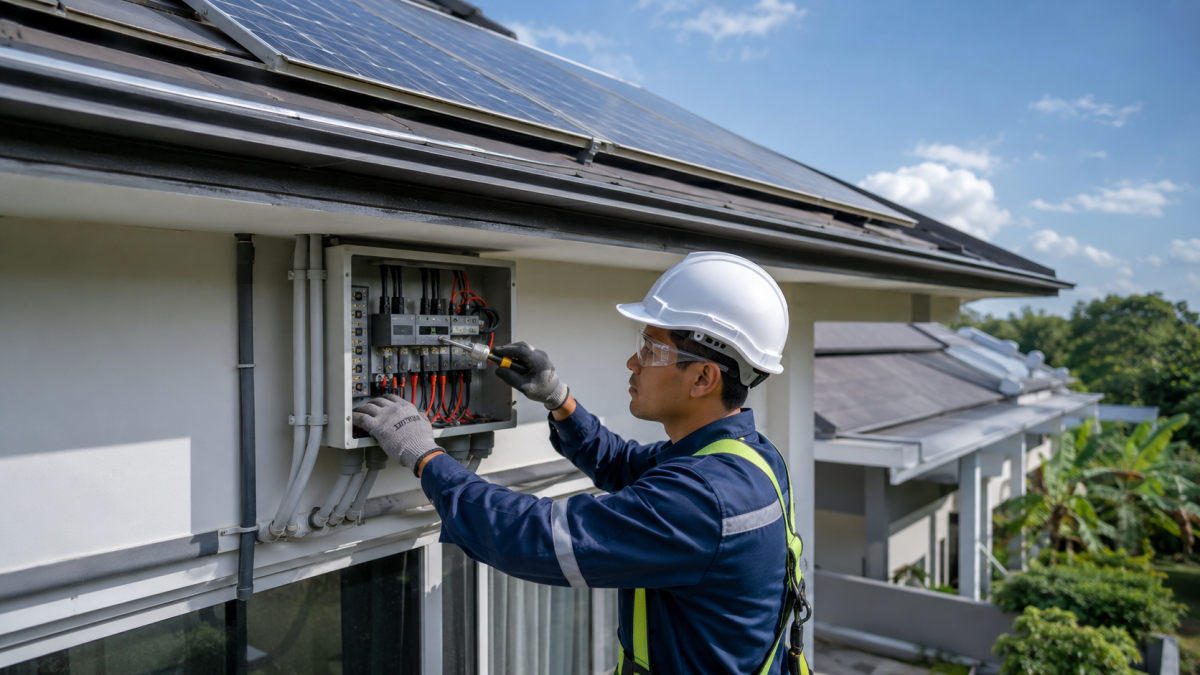
A properly installed solar system should have protection devices such as breakers, disconnect switches, surge protection, and combiner boxes depending on the system design.
Homeowners should visually check if these parts are clean, dry, properly closed, and free from burn marks or unusual smell.
Warning signs include:
- Burnt smell
- Discoloration
- Melted plastic
- Tripping breakers
- Sparking sound
- Loose cover
- Water inside the box
- Ants or insects inside the enclosure
If you notice any of these signs, do not touch the system. Turn off only what you are trained to turn off and call your Cebu Solar Contractor immediately.
8. Protect the System from Water and Moisture
Solar systems are designed for outdoor use, but poor installation, damaged conduits, open junction boxes, or improper sealing can allow water to enter electrical parts.
Homeowners should watch for:
- Water dripping near inverter or battery
- Moisture inside electrical boxes
- Rust on metal parts
- Open conduits
- Loose fittings
- Roof leaks near solar mounting points
In Cebu and nearby islands, rain, humidity, and coastal air can affect electrical components. This is why proper installation and regular inspection are very important.
9. Do Not Ignore Error Codes
Some homeowners ignore inverter alarms because the system still appears to be working. This is not recommended. Error codes are warning signs that something may need attention.
Common causes may include grid issues, battery communication error, overvoltage, undervoltage, overheating, ground fault, or inverter protection shutdown.
If you see an error code, take a clear photo of the inverter screen and send it to your solar installer. This will help the technician diagnose the issue faster.
10. Schedule Professional Preventive Maintenance
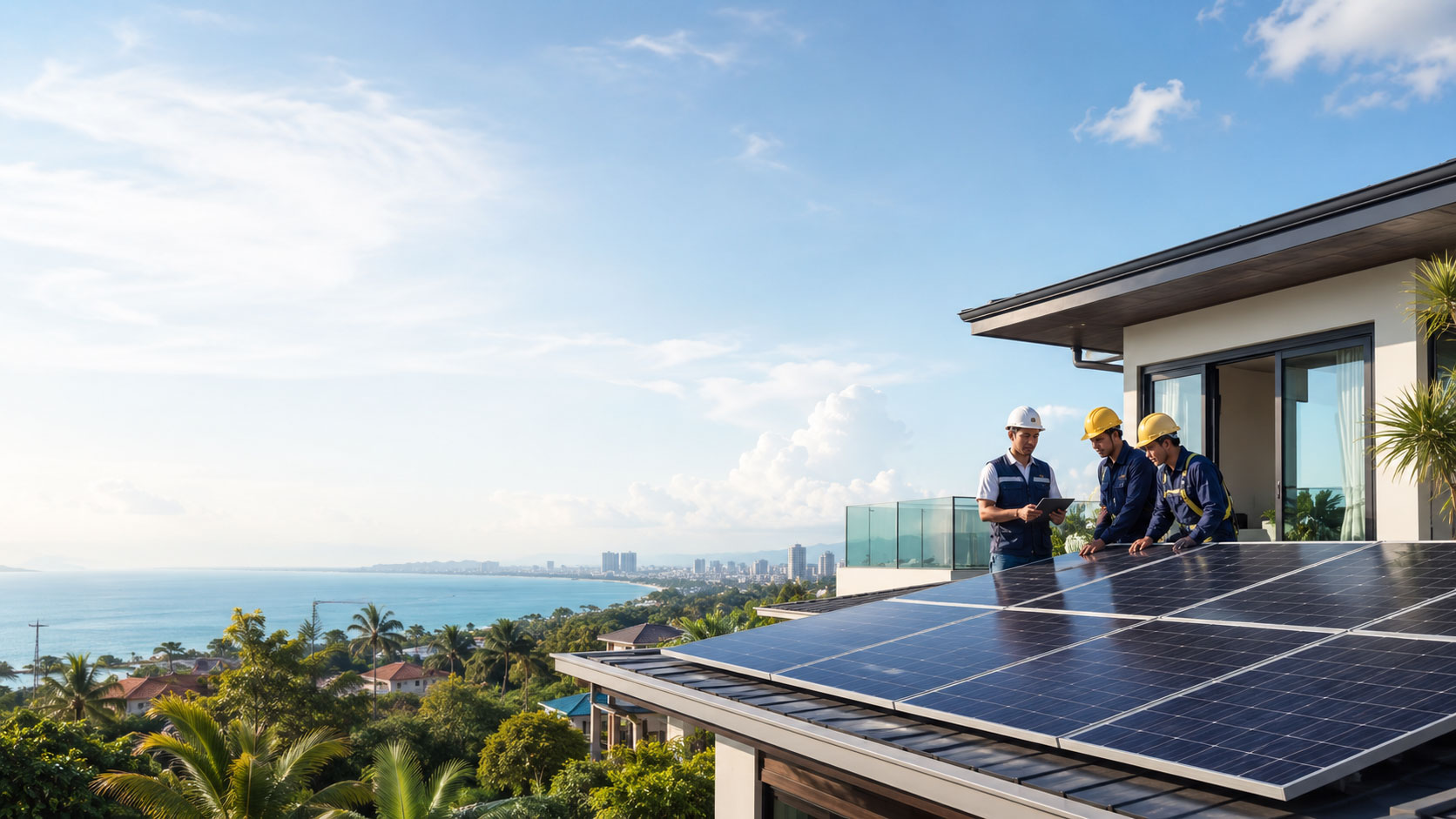
Homeowners can do basic visual checking, but professional preventive maintenance should still be scheduled. A qualified solar technician can check parts that homeowners should not touch.
Professional maintenance may include:
- Solar panel inspection
- Mounting and roof attachment inspection
- Wire and conduit checking
- MC4 connector inspection
- Breaker and protection device checking
- Inverter performance review
- Battery system checking
- Thermal signs of overheating
- System production review
- Safety testing
- Cleaning recommendation
- Repair or upgrade advice
For residential solar systems, professional checking is recommended at least once or twice a year, depending on the location, system size, environment, and usage.
Homes near the sea, dusty roads, trees, farms, or heavy rain exposure may need more frequent maintenance.
11. Keep a Maintenance Record
Every homeowner should keep a simple solar maintenance record. This helps track system performance and makes troubleshooting easier.
Your record may include:
- Date of cleaning
- Solar production before and after cleaning
- Error codes seen
- Battery performance concerns
- Maintenance visit reports
- Replacement parts
- Warranty documents
- Installer contact details
This record is helpful when you need service, warranty support, system expansion, or troubleshooting.
12. Safety First: Do Not DIY Electrical Repairs
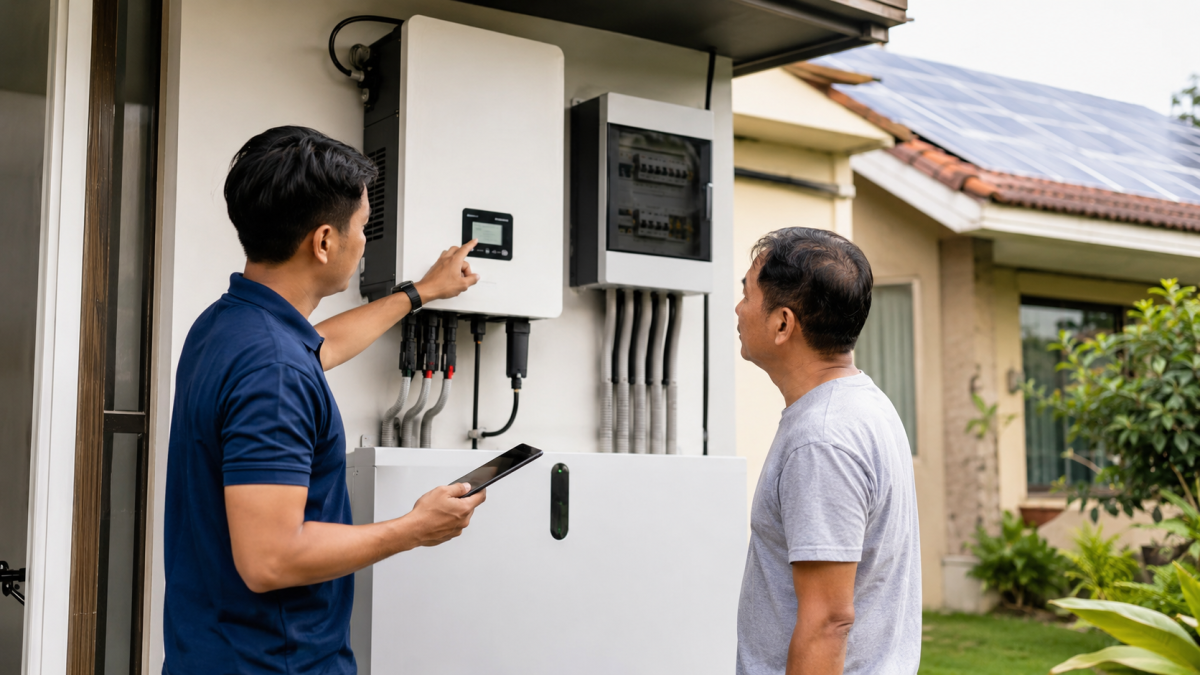 Solar power systems involve electricity, high DC voltage, batteries, breakers, and grid connection. Homeowners should not open electrical boxes, modify wiring, repair connectors, or replace protection devices without proper training.
DIY electrical repair may cause electric shock, fire risk, equipment damage, and warranty problems.
For safety, always call a professional Cebu Solar Installer or Cebu Solar Contractor for electrical concerns.
Solar Maintenance Is Part of the Investment
Buying a solar system is only the beginning. Proper maintenance is what protects your investment and keeps your system working efficiently for many years.
A well-maintained residential solar system can help homeowners enjoy lower electricity bills, better power reliability, and long-term savings. But a neglected system may lose performance, develop faults, or become unsafe.
That is why homeowners should choose not only a supplier, but a reliable solar team that can provide installation, troubleshooting, repair, upgrades, and preventive maintenance.
Cebu Solar Installer PH by Green8scape Development Corp.
Cebu Solar Installer PH by Green8scape Development Corp. provides professional solar design, solar installation, solar troubleshooting, solar repair, system upgrades, and preventive maintenance for residential and commercial properties.
If you are planning to install a new solar system, need a solar maintenance check, or want to review your existing setup, our team is ready to help.
For homeowners looking for a trusted Cebu Solar Installer, Cebu Solar Contractor, or reliable provider for a Cebu solar contract, Cebu Solar Installer PH is here to support your home energy needs with professional workmanship and dependable service.
Final Reminder for Homeowners
Solar energy is a smart investment, but maintenance is the key to long-term performance. Do not wait for a major problem before checking your system. Monitor, clean, inspect, and schedule professional maintenance regularly.
A clean, safe, and properly maintained solar system will always perform better than a neglected one.